

Skip to the essay
A stone cottage at dusk with two windows lit warmly, at the end of a garden path.

An essay for clinicians who finish their notes after dark

Presence over paperwork.

DocsPSI drafts your eight-section clinical note from the session, or from a two-minute reflection after it, in about five minutes. You read it, change what you like, and sign it. The evening stays yours.

Used daily by 6,300+ psychologists, neuropsychologists and psychotherapists.

The study lamp, still on long after the last session.

The second shift nobody schedules

There is a kind of tiredness that never appears in the appointment book. It begins when the last patient has gone, the room is quiet, and the notes are still waiting. Most clinicians know it well: the laptop opened at the kitchen table, the session rebuilt from memory, careful sentences written while dinner goes cold.

It is rarely dramatic. Nobody calls it a crisis. It is simply the hour that disappears every evening, and then the next one, until reading a novel or taking a walk begins to feel like something you have to earn.

We think that hour matters. Not because documentation is unimportant, since it matters a great deal, but because the mechanical part of it was never the clinical part. The typing, the formatting, the remembering of who said what at minute thirty-two: none of that is judgment. Judgment is yours, and it should stay with you. The typing does not have to.

Judgment is yours, and it should stay with you. The typing does not have to.

Two Thursdays

One imagined clinician’s Thursday evening, from six to eleven, drawn twice. Move the slider to see what changes when the notes are drafted for her, and all that is left is to read, edit and sign.

Illustrative example: an imagined evening, not a measured result.

Thursday, by hand

  1. Last session ends
  2. Notes for the three afternoon sessions
  3. Dinner, eaten at the laptop
  4. Four more notes and one report, from memory
  5. Inbox, scheduling, receipts
  6. Lights off, mind still in session

Thursday, with DocsPSI

  1. Last session, two-minute reflection
  2. Today’s drafts read, edited and signed
  3. A walk before dark
  4. Dinner at the table, unhurried
  5. A chapter of something unrelated
  6. Asleep

At the laptop after 6 pm30 min

A wooden kitchen table set for dinner for two, in low golden evening light.

What the evening becomes

  • Dinner at the table
  • A walk before dark
  • A chapter of a novel
  • Sleep that arrives on time

Receipts and reminders go out on their own: calendar, multi-currency receipts and WhatsApp reminders are included and use no AI tokens.

Three principles we will not trade

Clinical AI should be judged less by what it can do than by what it refuses to do. These are the lines we hold.

The clinician is never replaced.

DocsPSI does not judge your patient, suggest diagnoses you did not make, or decide what a session meant. It listens to what you choose to record, or to the two minutes you speak once the door has closed, and drafts a note in the structure of your approach: CBT, psychodynamic, EMDR, neuropsychology and others.

You remain the author. Nothing is final until you have read it, changed what needs changing, and sealed it yourself.

A smooth stone covered in moss beside young fern fronds unfurling.

We take the typing off your hands. We never take your chair.
Better documentation protects both people in the room.

A careful note is a form of care. It holds continuity when memory fades, it shows the reasoning behind a decision, and it protects the clinician when questions come later. Written at eleven at night, notes tend to get shorter and vaguer. Drafted while the session is fresh, they can be complete.

Every report, evaluation, referral and receipt carries a SHA-256 fingerprint and a QR code, so anyone can confirm it has not been altered. A longitudinal case timeline keeps the whole course of treatment in view, with AI supervision prompts to think alongside.

A note written while the session is still fresh is kinder to the patient, and to you.

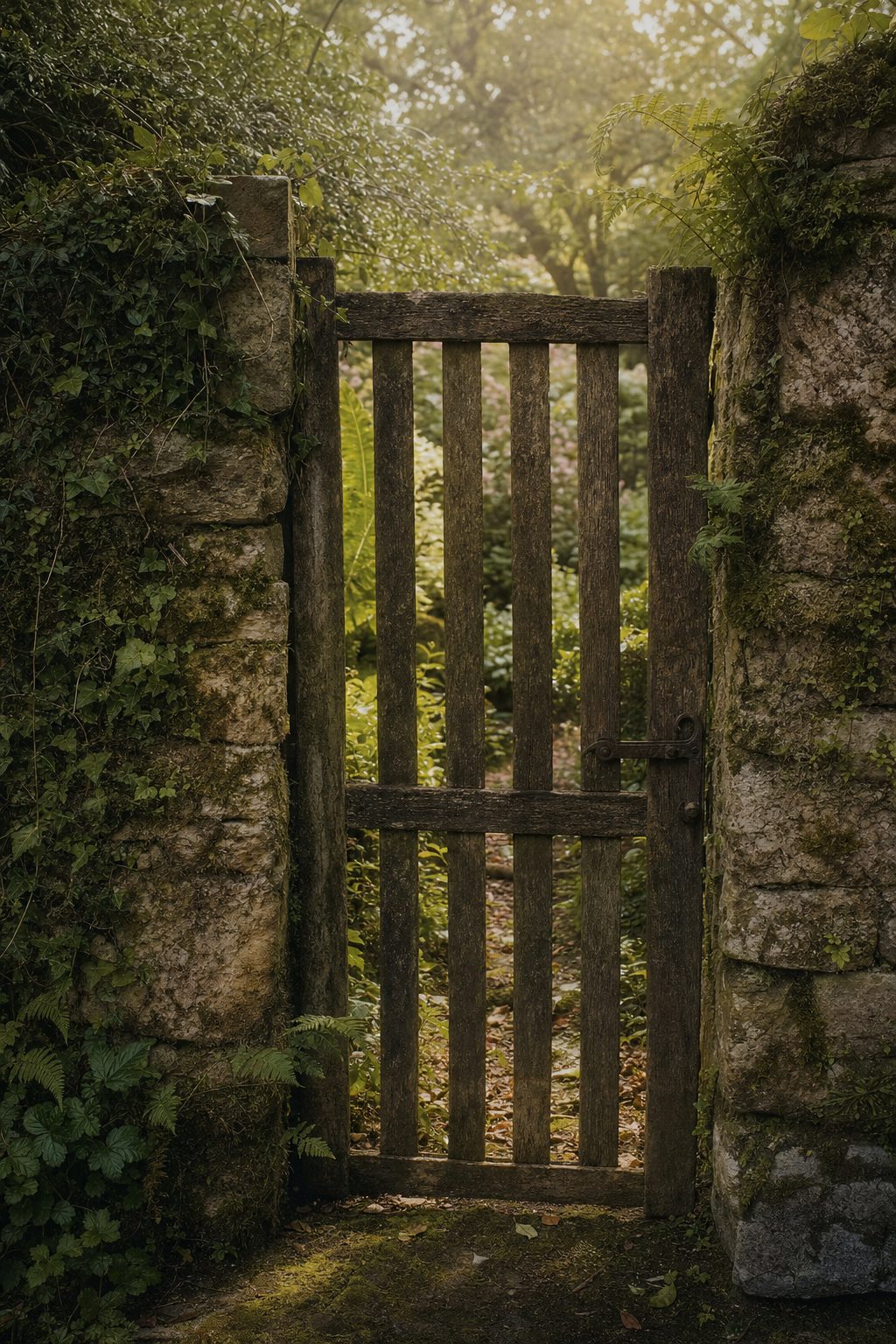
A closed wooden garden gate in an old stone wall covered in ivy and fern.

Privacy is non-negotiable.

Audio and notes are never used to train public AI. Everything is encrypted with AES-256 and isolated per clinician at the database level. Delete the audio whenever you wish; the signed note stays. Export everything as PDF and leave at any time.

DocsPSI is HIPAA-ready and designed for GDPR. And the clinician signs everything.

What is said in the room is not material for anyone’s model.

A note, pressed and labeled

This is what arrives after the reflection is spoken: eight sections, in the language of the approach, waiting for your review. Choose an approach to turn the page.

Four ways a note can begin

  • In the room

    Record a live, in-person session after one-click digital consent.

  • Online

    Telehealth in the browser with no downloads. It also works alongside Zoom or Google Meet.

  • After the door closes

    Speak a private two-minute reflection once the patient has left. No microphone in the session.

  • From a file

    Import audio you already have: MP3, M4A, WAV or OGG.

Illustrative specimen

  1. 1

    Session Context & Mental Status

    50-minute individual psychotherapy session. Client was punctual, euthymic-to-anxious in affect, linear and goal-directed in thought process, with intact insight and zero acute safety concerns.

  2. 2

    Presenting Themes & Target Triggers

    Heightened physiological arousal and ruminative rehearsal triggered by an upcoming executive review, accompanied by late-evening sleep-onset latency (45–60 minutes).

  3. 3

    Cognitive Formulation & Automatic Thoughts

    Activated perfectionistic schema ("all-or-nothing competence"). Primary automatic thought: "Any hesitation during Q&A proves I am unqualified" (initial conviction: 85/100).

  4. 4

    Clinical Interventions Applied

    Guided collaborative empiricism and Socratic decentering; constructed a two-column evidence ledger examining three prior reviews; practiced 4-6 paced diaphragmatic down-regulation.

DocsPSI clinical note
Approach
Cognitive Behavioral (CBT)
Source
Post-session voice reflection (02:12)
Drafted in
About five minutes
Status
Awaiting the clinician’s review and signature
Once sealed
SHA-256 fingerprint and QR code

Plans, plainly

Priced in US dollars per month. Stripe charges in your local currency. Cancel in one click.

  • Starter

    $49/ month

    • 200 tokens, about 20 sessions
    • Eight-section notes in your approach
    • Calendar, receipts and reminders

    First month $9.90 by invitation

  • Ultra

    $79/ month

    • 500 tokens, about 50 sessions
    • One assistant login, without access to notes
    • Case timeline and AI supervision
  • Unlimited

    $99/ month

    • Unlimited tokens
    • Up to three assistant logins
    • 1 GB encrypted vault

How tokens are spent: 10 per recording, import or dictation; 20 per recorded telehealth session; 10 per supervision or timeline analysis. Calendar, receipts and WhatsApp reminders use none.

Questions clinicians ask us

Does DocsPSI write the note for me?

It drafts it. You read every section, change anything you like, and sign it. A note is never sealed without you.

Is my patients’ audio used to train AI?

No. Audio and notes are never used to train public AI. You can delete audio at any time, and the signed note remains.

Do I have to record the session?

No. Many clinicians prefer to speak a private two-minute reflection after the patient leaves. You can also record in person with one-click digital consent, run telehealth in the browser, or import an audio file.

Will the note follow my approach?

Notes are written in eight sections in the language of your approach: CBT, psychodynamic, EMDR, neuropsychology and others.

Why is sign-up by invitation only?

Public sign-up is closed while we open workspaces with care. The Clinical Relations desk sends personal invitations, and each one is a 7-day clinical pass with 200 AI tokens.

Can I take my records with me?

Yes. Export everything as PDF whenever you wish, and cancel in one click.

Stacy Ferny, Clinical Relations at DocsPSI International, seated at a desk holding a cup.

An invitation, not a sign-up

If this essay sounds like your evenings, I would be glad to open a workspace for you.

The invitation is a 7-day clinical pass with 200 AI tokens, enough to try DocsPSI across a real week of sessions. Tell me a little about your practice and I will send your personal link.

Stacy FernyClinical Relations, DocsPSI International

Your details are used only to prepare your invitation.